
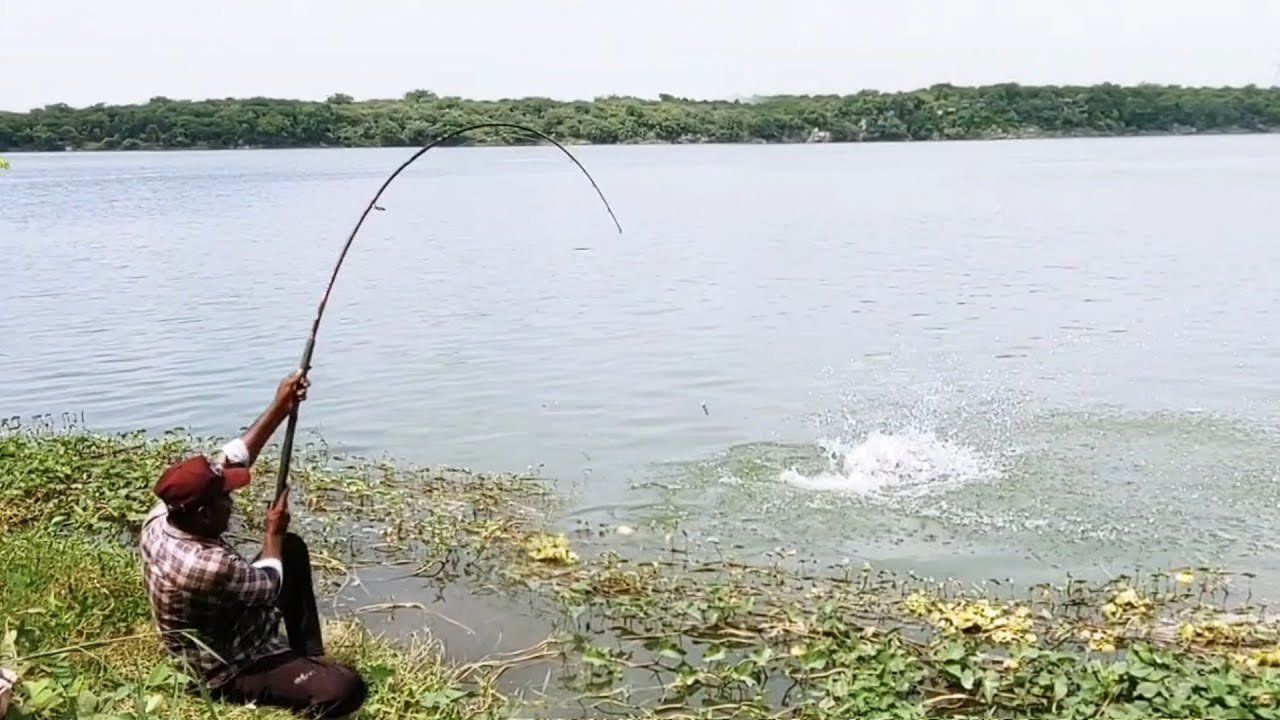
The Mawa ghat in Louhajang upazila has long served as one of Bangladesh's most important hilsa trading hubs. Each monsoon season, especially between July and October, thousands of fishermen take to the Padma and Meghna rivers in pursuit of the national fish.
The Padma hilsa tradition
Hilsa from the Padma carry a near-legendary reputation across Bangladesh for their distinctive flavour. Local traders estimate that crores of taka worth of hilsa flow each season from Mawa to Dhaka's wholesale markets. Recent years, however, have brought thinner catches. Experts point to reduced river depth, pollution, and unregulated fishing as the principal causes.
Breeding-season ban
To protect spawning hilsa, the government enforces a 22-day fishing ban each year. During the ban, registered fishermen receive food relief through the VGF rice programme. Many fishermen complain, however, that the support is inadequate and does not always reach those who actually rely on fishing for survival.
After the Padma Bridge
The character of Mawa ghat has changed significantly since the Padma Bridge opened. Where ferry queues once dominated, day-trippers and photographers now crowd the riverside. Restaurants specialising in fried hilsa and mustard hilsa now see steady custom almost year-round. The shift has created new opportunities for local food businesses alongside the traditional fishing economy.