Since the Padma Bridge opened, the area around Mawa ghat has developed an entirely new kind of economy: roadside food businesses serving the steady flow of visitors. Where ferry queues once trapped vehicles for hours, tourists now arrive in numbers almost year-round.
Livelihoods reinvented
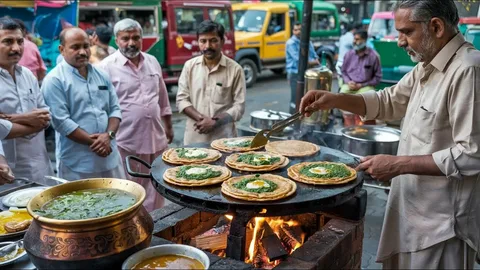
Many residents previously pulled rickshaw vans or ran small businesses near the ferry terminal. With ferries gone, a good share of them have opened small shops — fuchka stalls, fried-hilsa restaurants, tea stalls. For tourists and motorcyclists making the run from Dhaka, these stalls have become a destination in their own right.
The hilsa-fry restaurants
Mawa's fried Padma hilsa has been famous for decades. A long row of restaurants now serves it daily. Visitors come for the trifecta: see the bridge, photograph the river, eat mustard-fried hilsa — packaged into a single day-trip experience.
A new tourism model
Local business owners report that customer numbers peak on Fridays and Saturdays. Winter season brings several hundred vehicles each day, benefiting transport operators as well as food sellers. Civic-minded residents urge caution, however, warning that unregulated growth could damage the very riverside environment that draws visitors in the first place.