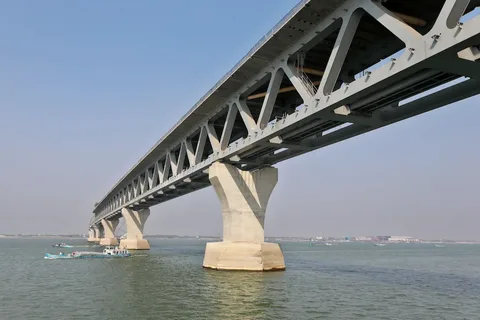
Four years after its inauguration on 25 June 2022, the Padma Multipurpose Bridge continues to redefine economic life in Louhajang upazila and across the wider Munshiganj district. The bridge connects the Mawa end in Louhajang with Jazira in Shariatpur, finally giving 21 southwestern districts a direct road link to Dhaka.
At 6.15 km, the steel-truss bridge carries a four-lane highway on its upper deck and a single-track railway on the lower deck. It remains the longest bridge in Bangladesh and holds the world record for the deepest pile depth, with foundations driven 127 metres into the riverbed.
Roadside economy reborn
The approach roads near Mawa are now lined with new hotels, wayside resorts and food stalls. Where ferry queues once stretched for hours, the crossing now takes minutes. Local traders report that visitor numbers in the Mawa area have multiplied since the bridge opened, especially during winter when hundreds of vehicles arrive daily simply to see the structure.
New markets for cement, steel and fresh produce
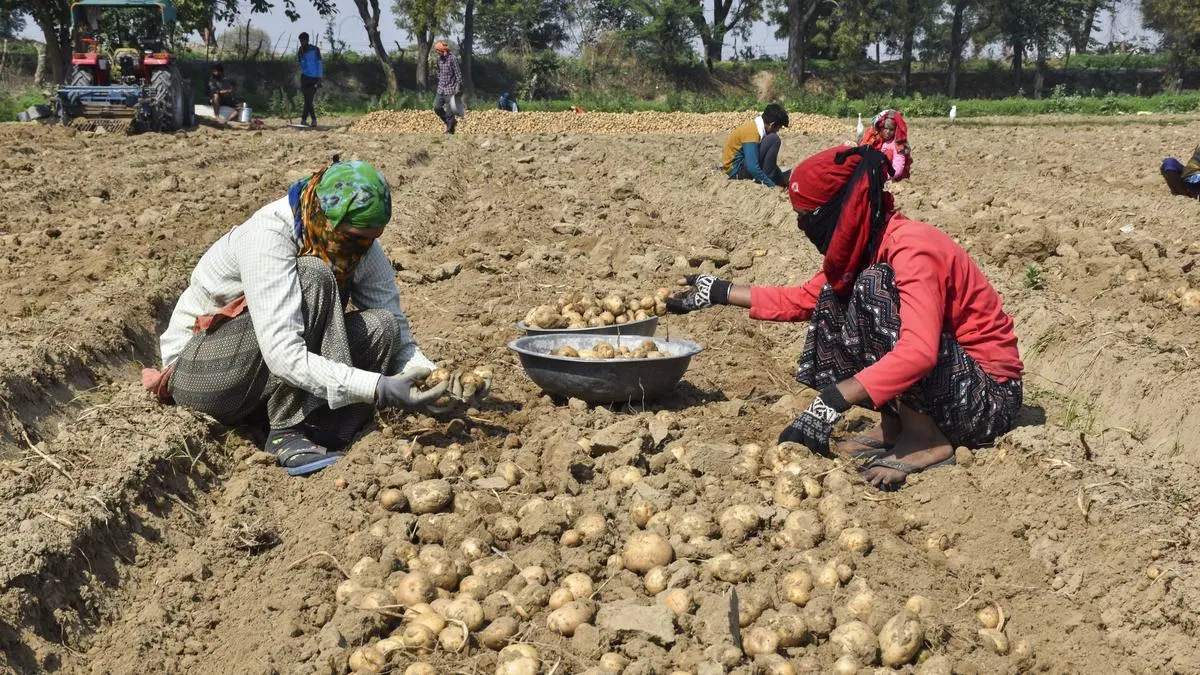
Cement, steel and bricks manufactured in Munshiganj now travel easily to districts across the Padma. In the other direction, vegetables, fish and other perishables from the south reach Dhaka's Karwan Bazar wholesale market within five to six hours — a journey that previously took an entire day or more. Both sides of the river have seen real income gains.
Economists had projected that the bridge would add around 1.23 percent to national GDP, with an additional two percent boost to the regional economy of the 21 southwestern districts. In its first year of operation, the bridge collected approximately 800 crore taka in tolls.
Rail connectivity
The single-track rail line on the lower deck forms part of the 169 km Padma Bridge Rail Link from Dhaka to Jashore. That line has brought rail connectivity to several southwestern districts for the first time, linking Munshiganj north of the river with Barisal to the south.