The Bangladesh Agricultural Research Institute (BARI) has won the ISSCA Global Award 2026 in the Crop Development and Production Technology category for its groundnut variety BARI Chinabadam-9.
The award was presented at the Dryland Congress 2026, held in New Delhi from 10 to 12 September. The event was organised by the International Crops Research Institute for the Semi-Arid Tropics (ICRISAT) together with its Centre of Excellence for South-South Cooperation in Agriculture, known as ISSCA. BARI announced the award in a statement from its Gazipur headquarters on 14 September.
Chosen from across the Global South
According to BARI, the variety was selected from competing nominations from developing countries for its role in improving the lives of smallholder farmers. The institute says BARI Chinabadam-9 can withstand adverse environmental conditions and has helped raise productivity, strengthen food security and build climate resilience for farmers in dryland areas.
The ISSCA Global Awards recognise farm innovations that have already been proven in the field and that could be adopted in other countries with similar conditions. The centre's work focuses on finding such tested solutions in one developing country and linking them with others that face the same problems of heat, scarce water and poor soils.
BARI Director General Dr Md Manjurul Kadir called the award a sign of the quality of the institute's research. He said the variety showed that farm research shaped around local needs can change productivity in dryland regions, and that BARI would keep developing new technologies to support food security and farming communities.
Why groundnut matters
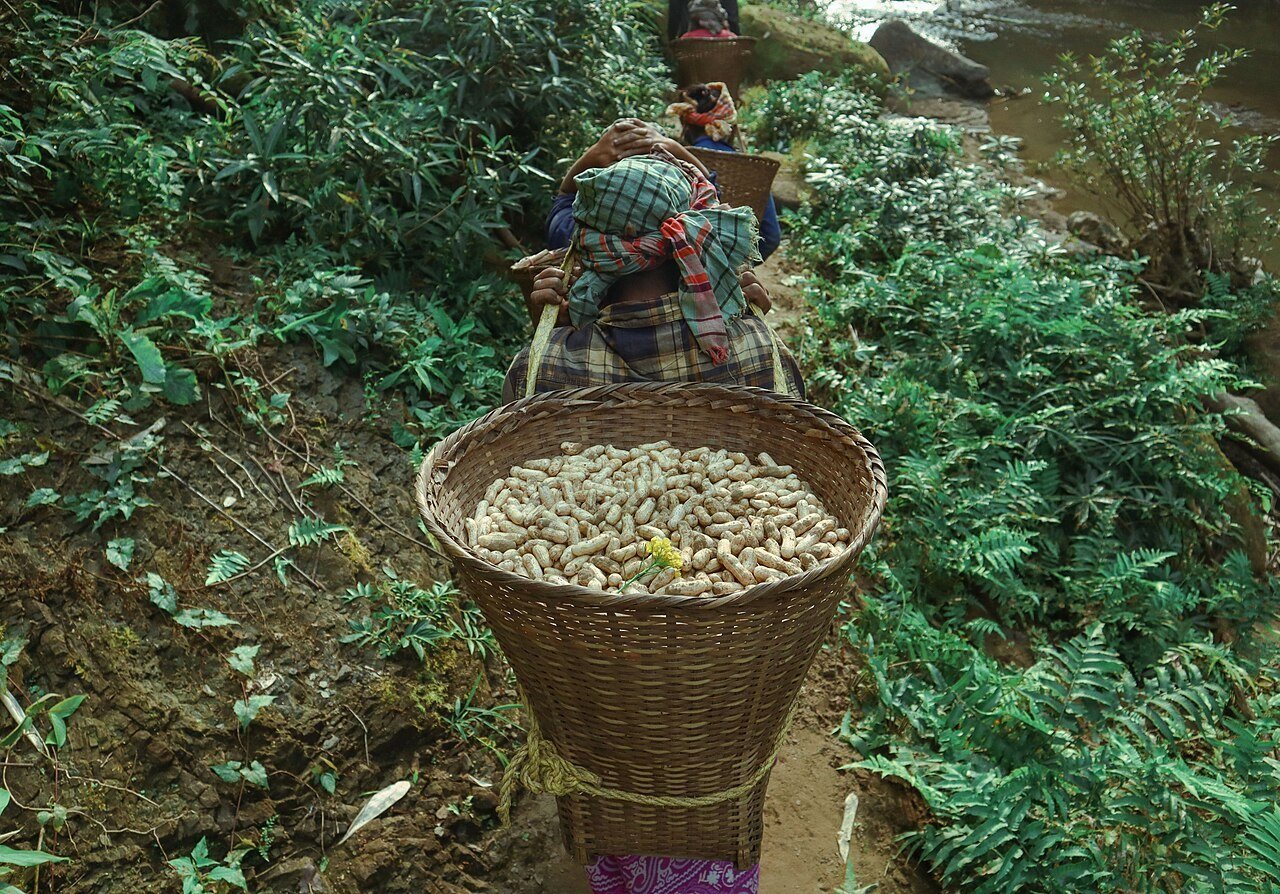
Groundnut, known in Bangladesh as chinabadam, is an important oilseed and cash crop. It is widely grown on sandy river chars and other light soils where many crops struggle, which gives it particular value for families farming the newly formed islands of the Padma, Meghna and Jamuna. Varieties that keep yielding under stress can make a real difference to incomes in such places.
BARI is the country's largest multi-crop research institute. It works on more than 212 crops, including tuber crops, pulses, oilseeds, vegetables, fruits and spices, and its research covers potato, the crop on which Munshiganj's farmers depend most.
The award adds international recognition to Bangladesh's public agricultural research system and points to a growing role for the country in sharing tested crop technologies with other developing nations.
Sources: bari.gov.bd, icrisat.org