Fiber@Home Ltd, one of Bangladesh's nationwide telecommunication transmission network operators, has deployed what it says is the country's first L-band dense wavelength division multiplexing (DWDM) network. The company announced the deployment in the last week of September, with Nokia as its technology partner.
What changes on the network
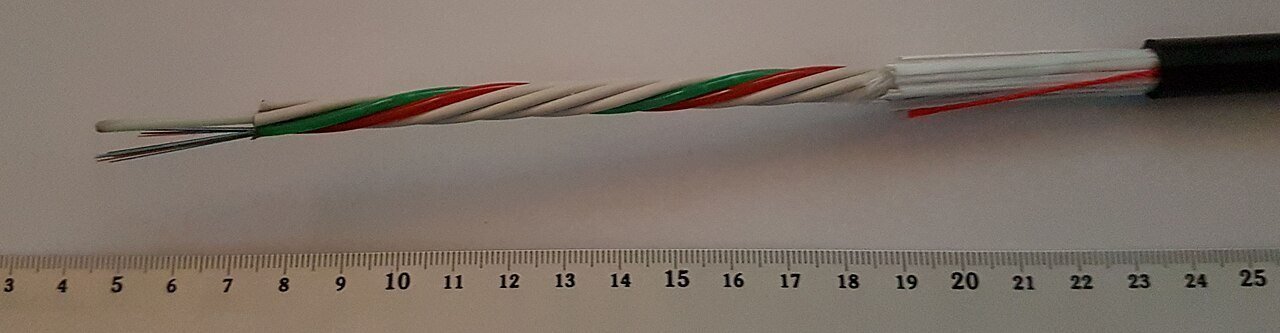
DWDM systems send many streams of data down one optical fibre at once, each on its own wavelength of light. Most networks use only the C-band range of wavelengths. By adding the neighbouring L-band, Fiber@Home says it has effectively doubled the usable optical spectrum on fibre it already owns, without large new civil works such as digging fresh cable routes.
According to the company, individual channels on the upgraded system run at 800 gigabits to 1.2 terabits per second per wavelength. The first phase covers high-traffic routes that link submarine cable landing stations, data centres and major economic centres. Expansion across metropolitan and regional transmission rings is under way.
Fiber@Home says route optimisation as part of the project is expected to cut round-trip delay by 20 to 30 percent across the southwest of the country. It also says Nokia's optical equipment, built on 5-nanometre chips, lowers power use per bit by 35 percent, which reduces heat and cooling needs at data centres and exchange sites.
What the partners said
Fiber@Home chairman Moynul Haque Siddiqui described the deployment as a landmark technical achievement and a milestone in the country's digital transformation. Ming Kin Ngiam, Nokia's head of Southeast Asia, said the technology lets Fiber@Home unlock more capacity from its existing fibre.
Why it matters
Transmission operators carry traffic between mobile towers, internet service providers, data centres and the submarine cables that connect Bangladesh to the rest of the world. As video, cloud services and mobile data use grow, the backbone has to carry more without a matching rise in cost. Getting more capacity from cables already in the ground is usually cheaper and faster than laying new ones.
For users in districts such as Munshiganj, the effect of backbone upgrades is indirect. Faster, less congested national links can help local internet providers and mobile operators offer steadier service, although last-mile connections, pricing and local network quality still decide what customers experience at home.
Sources: fiberathome.net, nokia.com, en.wikipedia.org