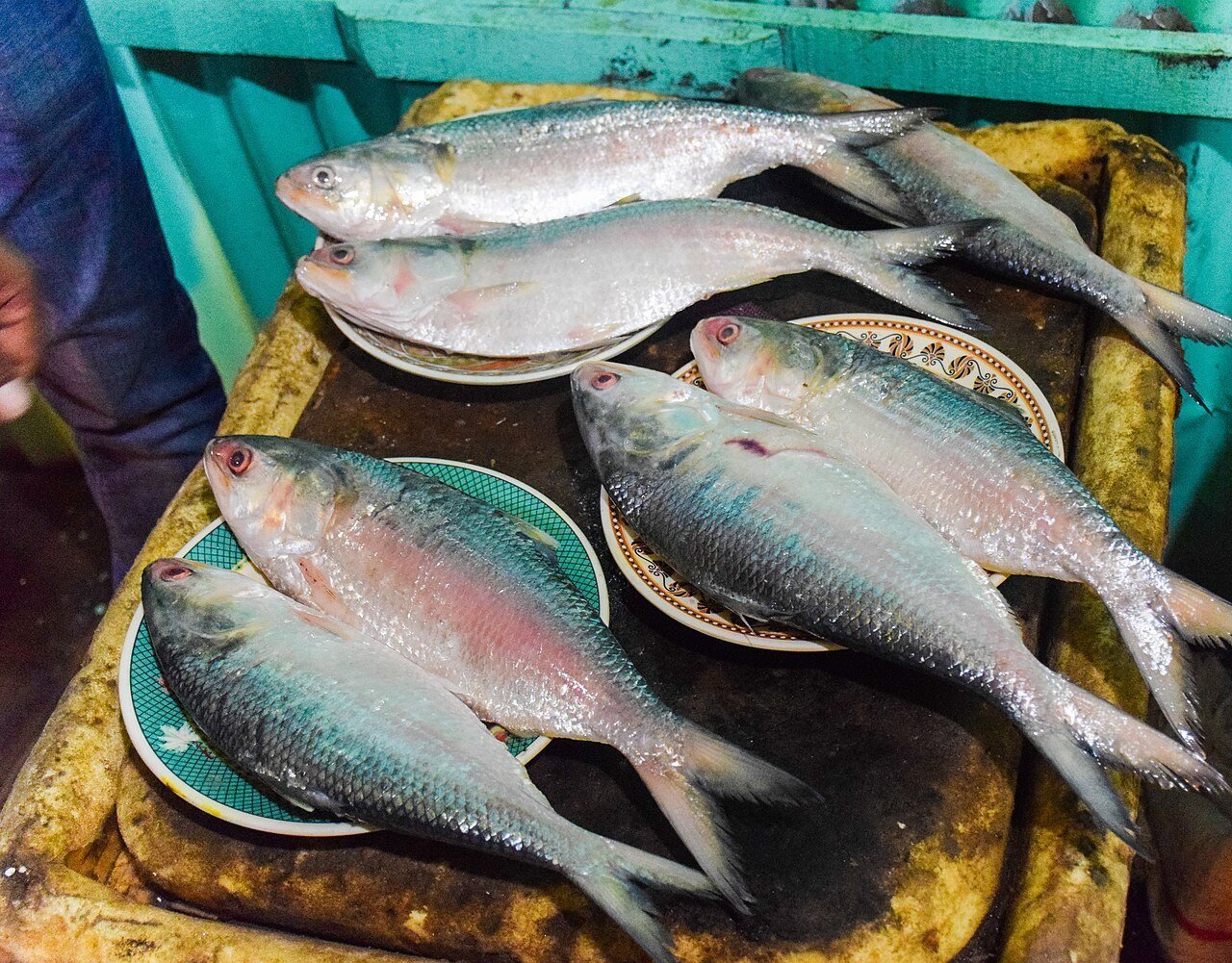
Scientists in Bangladesh have published the full genetic sequence of a bacterium taken from the gut of hilsa caught in the Meghna River, and say it could be studied further as a probiotic for fish. The genome report appeared on 16 September in Microbiology Resource Announcements, a peer-reviewed journal of the American Society for Microbiology.
The work was led by researchers at the Institute of Biotechnology and Genetic Engineering at Gazipur Agricultural University, with Professor Tofazzal Islam as corresponding author. Collaborators included scientists at Bangladesh Agricultural University and West Virginia University in the United States.
What the team found
The fish were caught with gill nets by local fishers on the Meghna at Chandpur. From the gut, the team isolated a strain of Staphylococcus epidermidis, labelled H1G7, and sequenced its genome.
- The genome is about 2.52 million base pairs long.
- The researchers found no genes for resistance to antibiotics.
- Computer analysis gave the strain a low score for the ability to cause disease.
- It carries genes linked to producing short-chain fatty acids, which can support gut health, and genes for moving metals across the cell.
- Seven clusters of genes appear to make compounds that may act against other microbes.
Based on these features, the authors propose the strain as a candidate for further study as a fish probiotic. A genome report describes what the DNA contains. It does not show that the bacterium works as a probiotic, which would need feeding trials and safety testing.
A wider look at the hilsa gut
The report is one of several genome announcements on bacteria from the hilsa gut published in the same journal this year. Others describe a strain of Escherichia coli, a strain of Enterobacter vonholyi and a strain of Bacillus cereus that its authors also describe as a probiotic candidate.
The microbes living inside fish affect how they digest food, resist disease and respond to their surroundings. Knowing which bacteria live in the gut of wild hilsa gives scientists a baseline for future work on the fish's health in rivers and on efforts to raise hilsa or related species in ponds.
The research is relevant to Munshiganj, where the Meghna and the Padma support many fishing households and where the hilsa is part of daily life and local trade.
Sources: journals.asm.org, pmc.ncbi.nlm.nih.gov, journals.asm.org